Is Your Chimney Trying to Warn You?
For many homeowners, the fireplace is a source of warmth, comfort, and family memories — especially during Connecticut’s cold winters. But hidden inside that cozy fireplace system could be a serious fire hazard that often goes unnoticed until it’s too late. Knowing the chimney fire warning signs is the first step toward keeping your home safe.
Every year, thousands of house fires are linked to chimney-related issues. In many cases, homeowners miss the early signs because chimney fires don’t always look dramatic. Some start quietly inside the flue, causing damage long before flames become visible.
Understanding these warning signs can help protect your family, your home, and your investment. The sooner you recognize potential problems, the easier — and less expensive — they are to fix.
Why Chimney Fires Happen?
Before discussing the warning signs, it’s important to understand the most common cause of chimney fires: creosote buildup danger.
Creosote is a highly flammable substance that forms when wood smoke cools and sticks to the inside walls of the chimney. Over time, layers of creosote accumulate, creating fuel for a fire inside the flue.
Several factors accelerate buildup:
- Burning unseasoned or wet wood
- Poor chimney drafting
- Infrequent chimney cleaning
- Restricted airflow
- Cold exterior chimney walls
- Improper fireplace use
Once creosote ignites, temperatures inside the chimney can exceed 2,000°F, potentially cracking flue liners, damaging masonry, and spreading fire to surrounding structures.
What We Often See During Connecticut Chimney Inspections?
At GMT Chimney Sweep Services, we’ve inspected chimneys across Connecticut and often find that problems homeowners notice—such as unusual odors, smoke entering the room, or poor drafting—are linked to creosote buildup or hidden liner damage. In older homes especially, these issues tend to develop gradually, making early detection and routine inspections essential for preventing chimney fires.
What Are the First Signs of a Chimney Fire?
Many homeowners ask: “What are the first signs of a chimney fire?”
The truth is that chimney fires often begin with subtle signals that are easy to overlook. Recognizing these early indicators could prevent extensive property damage and costly repairs. Below are the most important signs of a chimney fire to watch for.
- Strong Burning Odors Coming from the Fireplace
One of the most common early signs of a chimney fire is a persistent burning smell. If your chimney smells like burning even when no fire is active, it may indicate:
- Excessive creosote accumulation
- Heat damage inside the flue
- Smoldering deposits
- Moisture interacting with creosote
Many homeowners describe the odor as burnt wood, hot tar, smoky chemicals, or charred material. A strong odor should never be ignored, especially if it appears suddenly or becomes more intense over time.
- Excessive Smoke Entering Your Home
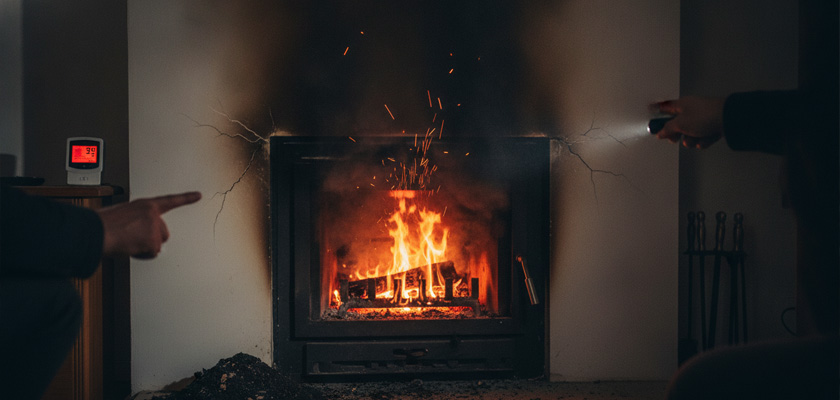
A healthy chimney should safely vent smoke outdoors. If you notice your fireplace smoking into the house, there may be a serious issue developing inside the chimney system.
Potential causes include:
- Creosote blockage
- Flue restrictions
- A damaged chimney liner
- Animal nests
- Partial collapse inside the chimney
Smoke entering living spaces is more than an inconvenience — it may indicate dangerous airflow problems that increase fire risk. This is often one of the most overlooked warning signs of chimney fire conditions developing behind the scenes.
- Loud Cracking, Popping, or Roaring Sounds
One of the clearest signs of a chimney fire is unusual noise coming from the chimney. Homeowners often report hearing:
- Loud popping sounds
- Cracking noises
- A roar similar to a freight train
- Rumbling within the chimney
These sounds occur when creosote deposits ignite and burn rapidly. Even if visible flames are not present, these noises can signal an active chimney fire that requires immediate attention.
- Visible Sparks or Flames from the Chimney Top
If you ever see sparks shooting from the chimney cap or flames emerging from the top of the chimney, treat it as an emergency. This is one of the most obvious warning signs of a chimney fire.
Other visual indicators include:
- Glowing embers
- Excessive smoke from the chimney
- Visible flames after the fireplace is extinguished
- Burning debris falling onto the roof
A chimney fire can spread quickly to roofing materials, attic spaces, and nearby combustible structures.
- Black, Flaky Creosote Deposits
One of the biggest indicators of creosote buildup danger is visible residue inside the fireplace or chimney. Creosote generally appears in three stages:
- Stage 1 — Soot-like deposits: easy to remove through routine cleaning.
- Stage 2 — Crunchy black flakes: harder to remove and more combustible.
- Stage 3 — Glazed creosote: highly flammable and extremely difficult to remove.
When homeowners notice thick black flakes falling into the fireplace, it often indicates significant creosote accumulation requiring immediate professional cleaning.
- Damaged Chimney Components
A previous chimney fire may leave visible damage even after the event has ended. Common signs include cracked chimney liners, broken chimney tiles, damaged mortar joints, warped metal components, and cracked chimney crowns.
Many homeowners discover these issues during annual inspections and are surprised to learn they experienced a small chimney fire without realizing it.
- White Staining or Discolored Masonry
White powdery deposits, known as efflorescence, may indicate excessive moisture infiltration. When moisture combines with creosote and heat, chimney deterioration accelerates significantly.
Watch for white staining, dark streaks, discolored bricks, and deteriorating mortar. These issues may not directly indicate an active fire, but they often contribute to conditions that increase chimney fire risk.
- Falling Debris Inside the Fireplace
If pieces of tile, brick, or flue material are falling into your fireplace, your chimney may already have sustained heat damage. This is a major safety concern because damaged liners allow heat and flames to reach combustible framing materials within the home. A professional inspection should be scheduled immediately.
- Poor Draft Performance
Another common answer to the question “What are signs of a chimney fire?” is sudden draft problems. Indicators include difficulty starting fires, smoke lingering in the fireplace, slow-moving exhaust, and increased indoor smoke. Draft issues often signal obstructions, creosote accumulation, or structural chimney damage.
- Excessive Creosote Accumulation During Inspection
Perhaps the most important sign of chimney fire risk isn’t something homeowners can always see themselves. Professional chimney technicians frequently identify dangerous creosote buildup during routine inspections. According to industry safety standards, even relatively small accumulations of creosote can significantly increase fire risk. Regular inspections help identify hazards before they become emergencies.
“According to the Chimney Safety Institute of America, glazed creosote is one of the most difficult and hazardous forms of chimney buildup.”
Is My Chimney Safe?
A question we hear frequently from homeowners is: “Is my chimney safe?” The answer depends on several factors.
Your chimney may be safe if:
- It receives annual inspections
- It is cleaned regularly
- The liner is intact
- Drafting functions properly
- No major creosote buildup exists
Your chimney may need immediate attention if:
- Smoke enters the home
- Burning odors are present
- Creosote deposits are visible
- Cracking sounds occur during fires
- Structural damage is visible
When in doubt, a professional inspection is the safest course of action.
How to Prevent Chimney Fires
The good news is that most chimney fires are preventable. Follow these best practices:
- Schedule annual chimney inspections. Professional inspections identify hidden issues before they become dangerous.
- Have your chimney cleaned regularly. Routine cleaning removes hazardous creosote deposits.
- Burn seasoned hardwood. Dry wood produces less smoke and less creosote.
- Install a chimney cap. Caps help prevent debris, animals, and moisture intrusion.
- Address repairs promptly. Small problems often become expensive safety hazards when ignored.
The National Fire Protection Association (NFPA) recommends that chimneys, fireplaces, and vents be inspected at least once each year to identify potential hazards and ensure safe operation.
The Cost of Ignoring Chimney Fire Warning Signs
Many homeowners delay maintenance because they assume everything is working properly. Unfortunately, waiting can result in chimney liner replacement, masonry reconstruction, roof damage, structural repairs, insurance complications, and — in the worst case — a house fire. The cost of prevention is almost always lower than the cost of repairs after a chimney fire.
Why Professional Inspections Matter
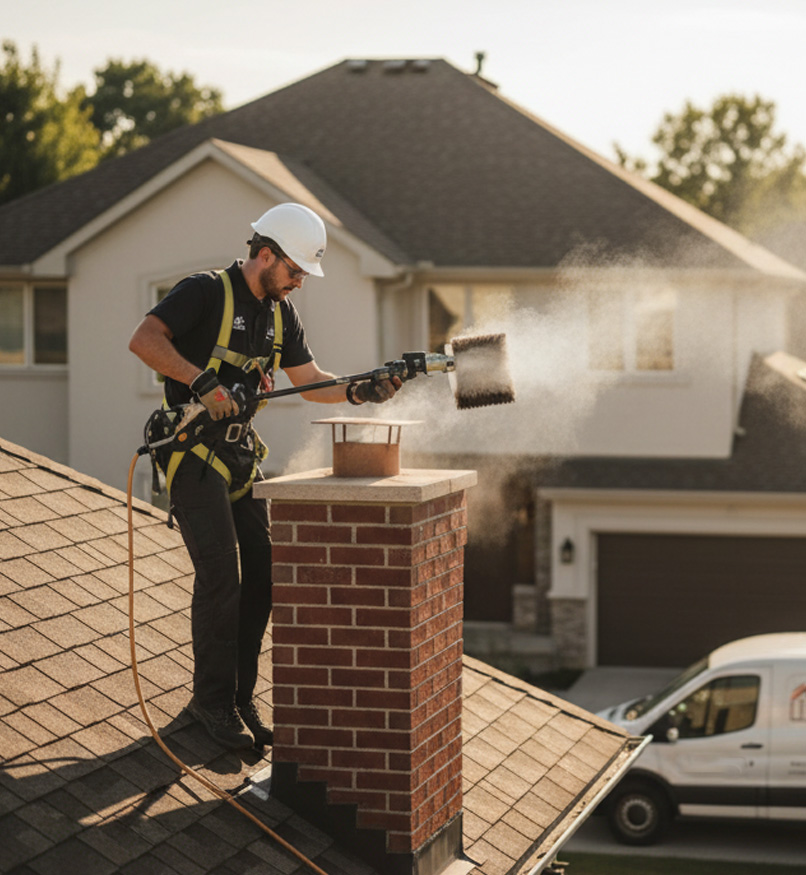
GMT Chimney Sweep Services uses specialized tools and inspection methods to identify hidden creosote buildup, liner damage, draft issues, water intrusion, and structural weaknesses. Routine inspections provide peace of mind and help ensure your fireplace operates safely throughout the heating season.
Connecticut Weather Can Increase Chimney Problems
Connecticut’s long heating season, freezing temperatures, and frequent moisture exposure can create unique challenges for chimney systems. Freeze-thaw cycles may accelerate masonry deterioration, while extended fireplace use can contribute to faster creosote accumulation. Homeowners with older masonry chimneys should pay particular attention to annual inspections, as aging components are often more vulnerable to hidden damage.
Why Connecticut Homeowners Trust GMT Chimney Sweep Services
At GMT Chimney Sweep Services, we understand the unique challenges Connecticut homeowners face — from harsh winters and moisture exposure to aging masonry systems and heavy fireplace use.
Our experienced technicians provide:
- Comprehensive chimney inspections
- Professional chimney cleaning
- Creosote removal
- Chimney repair services
- Leak detection and waterproofing
- Safety-focused recommendations
Our team helps homeowners throughout Connecticut identify fire hazards, remove creosote buildup, and address chimney issues before they become major safety concerns.
Worried your chimney might be showing warning signs? Schedule a professional inspection with GMT Chimney Sweep Services today.
Frequently Asked Questions
Can a chimney fire happen even if I only use my fireplace a few times a year?
Yes. Even occasional fireplace use can create creosote deposits, especially if wet or unseasoned wood is burned. A chimney that sits unused for long periods can also develop blockages or moisture issues that increase fire risk.
What does a chimney fire smell like?
Many homeowners describe the smell as burning tar, hot asphalt, or an unusually strong smoky odor. If your chimney smells like burning when the fireplace isn’t in use, it’s worth having it inspected.
Can a chimney fire start without visible flames?
Absolutely. Some chimney fires burn slowly and quietly inside the flue. These low-intensity fires may not produce visible flames but can still damage the chimney liner and structure.
Are chimney fires always loud and obvious?
No. While some chimney fires create roaring or cracking sounds, others are relatively quiet. That’s why regular inspections are essential — even if you’ve never noticed obvious warning signs.
Is black residue inside my fireplace a warning sign?
It can be. Thick, shiny, or flaky black deposits are often creosote, one of the leading causes of chimney fires. The more buildup present, the greater the fire risk.
What’s the best way to know if my chimney is safe?
The most reliable way is through an annual professional chimney inspection. Many chimney fire hazards develop inside the flue where homeowners cannot easily see them.
What is the most overlooked warning sign of a chimney fire?
A sudden change in fireplace performance — such as poor drafting, unusual odors, or smoke entering the room — is often ignored by homeowners but can signal a developing chimney problem.