Is your chimney leaking water? In Connecticut’s climate, that small stain near the fireplace is rarely “just the roof.” More often, it’s an early warning that water is finding its way into your chimney system — and the longer it goes unaddressed, the more expensive the repairs can become.
Over the years, we’ve inspected chimneys throughout Hartford, New Haven, Bridgeport, Stamford, and surrounding Connecticut communities. One pattern appears again and again: by the time a homeowner notices moisture inside the house, water has often been entering the chimney system for months.
A chimney leaking water in Connecticut after a heavy rain or a tough winter rarely develops overnight. Moisture may already be affecting brick, mortar joints, wood framing, drywall, insulation, and metal components long before visible symptoms appear indoors.
The good thing is that most chimney leaks can be repaired effectively when identified early. This guide explains the warning signs, common causes, repair options, typical costs, and the steps homeowners can take to prevent future water damage.
Why Chimney Leaks Are So Common in Connecticut
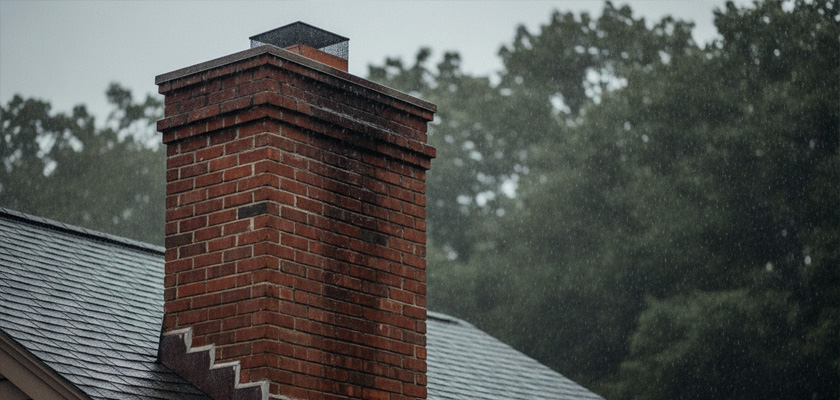
Connecticut weather is particularly demanding on masonry chimneys. Throughout the year, chimneys are exposed to heavy rainfall, snow accumulation, ice formation, humidity, strong winds, and repeated freeze-thaw cycles.
What makes chimneys especially vulnerable is their constant exposure. Unlike most areas of your home, a chimney stands above the roofline and faces the elements from every direction.
When water enters even a small crack in brick, mortar, or concrete, it freezes during cold weather and expands. As temperatures rise, the crack remains slightly larger than before. After enough Connecticut winters, those tiny openings become pathways for significant water intrusion.
We frequently see this type of deterioration on older chimneys throughout Connecticut, particularly on homes that haven’t had a recent inspection. That’s why many homeowners first discover a chimney leak after a particularly wet winter or severe storm season.
Why Is My Chimney Leaking? 5 Common Causes
If you’re asking why is my chimney leaking, the source is almost always one (or more) of the following.
- Damaged Chimney Flashing
Flashing is the metal seal where the chimney meets the roof, designed to keep water out of the joint. Over time it can rust, crack, lift away from the masonry, or lose its seal. When that happens, rain runs straight into the home. Failed flashing is one of the single most common causes of a leaking chimney.
- Chimney Crown Damage
The crown is the concrete slab at the top of the chimney that sheds water away from the structure. Crowns commonly develop hairline cracks, surface deterioration, or separation from the masonry below. A chimney crown leaking water during rainstorms lets moisture travel deep into the system, so a neglected crown often causes damage well beyond the top of the stack.
- Missing or Damaged Chimney Cap
The cap is your first line of defense at the top of the flue. Without a working cap, rain pours directly into the flue, animals nest inside, debris builds up, and interior components stay wet. A missing or broken cap is a frequent culprit behind water entering the chimney during severe weather.
- Cracked or Spalling Masonry
Brick and mortar break down naturally with age. Watch for cracked bricks, missing mortar joints, white efflorescence staining, and spalling (flaking) brick faces. Each opening is another entry point for water and a recurring source of leaks.
- Faulty or Missing Waterproofing
Many older Connecticut chimneys were never properly waterproofed. Untreated masonry absorbs large amounts of water, which feeds recurring moisture problems and speeds up deterioration.
A Common Leak Scenario We See in Connecticut
Many homeowners assume a leak near the fireplace automatically means the roof is failing. In reality, chimney leaks often originate somewhere completely different.
Recently, we inspected a Connecticut home where water stains appeared on the ceiling near the fireplace after every heavy rain. The homeowner expected a roofing issue. During the inspection, we discovered deteriorated chimney flashing where the masonry met the roof. Water had been entering through a small gap for months before becoming visible indoors.
Situations like this are common because water rarely appears where it first enters. Moisture can travel through masonry, roofing materials, framing, and hidden cavities before showing up inside the home. That’s why a complete chimney inspection is essential for finding the true source of a leak.
Chimney Water Damage Signs to Watch For
Water damage doesn’t always show up on the chimney itself — it travels. These are the chimney water damage signs worth acting on.
Inside the home:
- Ceiling stains near the fireplace
- Peeling paint or damp drywall
- Water spots on walls
- Musty odors, especially after rain
- Visible mold growth
Outside the home:
- Cracked mortar joints
- White staining on brick (efflorescence)
- A rusted chimney cap
- Deteriorating or lifting flashing
- Spalling masonry
If any of these sound familiar, schedule a professional inspection before the damage spreads.
Chimney Crown Leaking Water: Why It Happens
A leaking chimney crown is one of the most overlooked causes of water intrusion. Because the crown sits at the very top, homeowners tend to focus on the brick they can see and miss the slab above it. Once the crown cracks, water enters the masonry below and quietly damages the interior structure.
Typical causes include freeze-thaw damage, poor original construction, aging or low-grade concrete, and a simple lack of maintenance. The upside is that many crown issues can be sealed or repaired before a full rebuild is ever needed.
Chimney Flashing Leak Repair
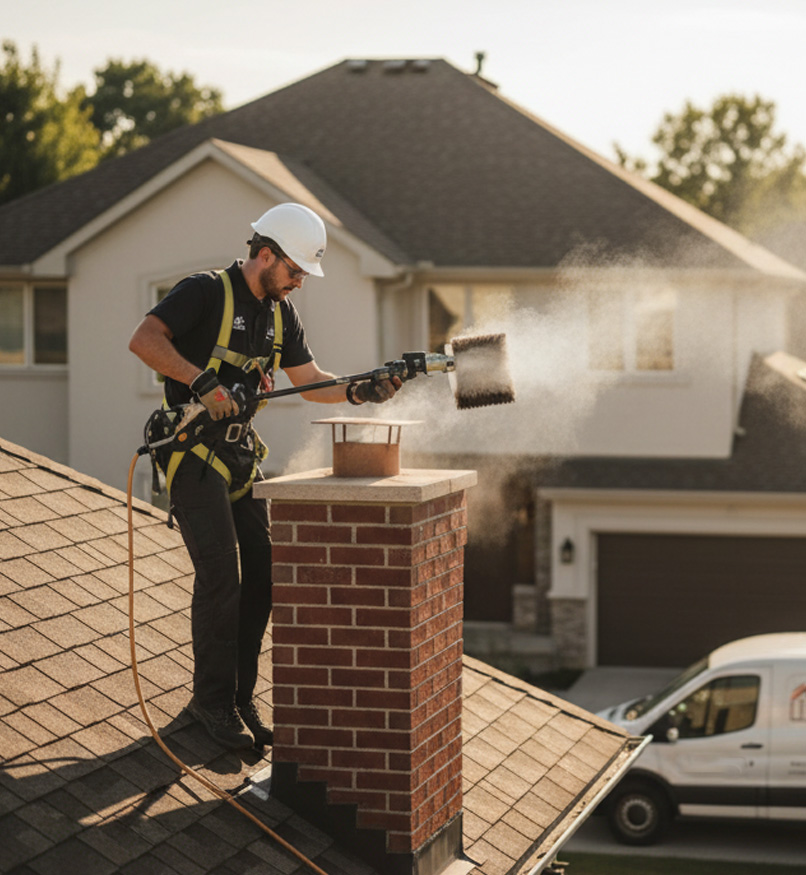
Flashing repair is one of the most common fixes we perform. A proper chimney flashing leak repair involves:
- Removing the damaged flashing
- Inspecting the surrounding roofing materials
- Installing new, correctly fitted flashing sections
- Applying high-quality waterproof sealants
- Testing the repair for water intrusion
Done right, new flashing eliminates a large share of recurring chimney leaks.
How We Diagnose a Chimney Water Leak
Finding a leak takes more than a quick look. Because water can travel through hidden pathways, the spot where you see the leak is often not where it’s actually getting in. Our technicians evaluate the full system:
- Flashing condition
- Crown integrity
- Chimney cap performance
- Masonry and mortar joints
- Waterproofing effectiveness
- Roof-to-chimney connections
This top-to-bottom approach is what separates a lasting repair from a temporary patch.
Chimney Leak Repair Cost in Connecticut
The first question most homeowners ask is what a chimney leak repair will cost. It depends on the cause and the extent of the damage, but here are typical Connecticut ranges to set expectations.
| Repair Type | Average Cost |
| Waterproofing treatment | $300 – $900 |
| Chimney cap replacement | $200 – $800 |
| Chimney flashing repair | $400 – $1,500 |
| Chimney crown repair | $500 – $2,000 |
| Crown rebuild | $1,500 – $4,000 |
| Masonry repairs | $500 – $5,000+ |
What Affects Your Chimney Leak Repair Cost
Several factors move the final number up or down:
- Age and height of the chimney
- Accessibility of the work area
- Extent of existing water damage
- Overall condition of the masonry
- Type of repair required
- Whether there are multiple leak sources at once
The pattern is consistent: the sooner a leak is addressed, the lower the repair cost tends to be.
How to Prevent Future Chimney Leaks
Preventive maintenance is far cheaper than major restoration. To protect your chimney:
- Schedule annual chimney inspections
- Repair flashing damage promptly
- Seal crown cracks early
- Install and maintain a quality chimney cap
- Waterproof your masonry surfaces
- Address minor leaks immediately, before they spread
- Watch for the moisture signs listed above
A proactive plan adds years to the life of your chimney and lowers your long-term ownership costs.
Why Choose GMT Chimney Sweep Services
- Experienced technicians who diagnose and repair the full range of chimney leak issues
- Comprehensive inspections of crowns, flashing, masonry, caps, and every vulnerable point — so we find the real source, not just the symptom
- Honest recommendations with clear assessments and no unnecessary upselling
- Quality workmanship using proven techniques and durable materials built for Connecticut weather
- A customer-first approach built on safety, transparency, and long-term results
- Preventive solutions that help you avoid the next leak, not just patch this one
Why Early Action Matters
One of the most consistent patterns we see is that small chimney leaks rarely stay small. A minor flashing gap, crown crack, or masonry defect can gradually allow moisture to spread through the chimney structure and surrounding building materials.
Addressing a leak early is usually simpler, less disruptive, and significantly less expensive than waiting until visible interior damage develops. Regular inspections remain one of the most effective ways to catch these issues before they become major repairs.
Protect Your Home With a Trusted Local Team
A leaking chimney rarely fixes itself — it escalates from a minor stain into a structural and air-quality problem. Whether you’re dealing with a cracked crown, failed flashing, or unexplained water around the fireplace, GMT Chimney Sweep Services keeps your chimney safe, dry, and performing at its best.
Noticing stains, odors, or cracked masonry? Schedule your chimney inspection today and stop a small leak before it becomes a costly repair.
Frequently Asked Questions
Can a chimney leak even if my roof is in perfect condition?
Yes. A chimney has its own waterproofing system. Damaged flashing, a cracked crown, deteriorating masonry, or a missing cap can all let water in even when the roof is flawless.
Why does my chimney only leak during heavy rain?
This usually points to flashing failure, wind-driven rain, or cracks in the crown. Some leaks only appear when a storm produces enough water pressure to force moisture through vulnerable areas.
What’s the first sign that water is damaging my chimney?
Often a musty odor near the fireplace after rain. Other early indicators include white staining on brick, rust on metal parts, peeling paint, and small water spots around the chimney.
Why do chimney leaks seem worse in winter?
Freeze-thaw cycles widen existing cracks. Water enters small openings, freezes, expands, and creates larger pathways — making leaks more noticeable in the colder months.
Can chimney leaks cause mold inside my home?
Yes. Persistent moisture creates ideal conditions for mold in walls, ceilings, insulation, and surrounding materials. Early repair helps protect both your structure and your indoor air quality.
How long can a chimney leak go unnoticed?
Sometimes months or years. Water frequently travels through hidden pathways before it ever reaches a ceiling, wall, or floor where you’d see it.
Can waterproofing stop chimney leaks permanently?
Professional waterproofing is excellent protection against moisture absorption, but it works best alongside crown repairs, flashing repairs, and routine inspections rather than on its own.
Should I wait until I see water inside before calling a professional?
No. Visible water is usually a late-stage symptom. If you notice cracked masonry, rust, or staining, an inspection can catch the problem before significant damage occurs.
What’s the most overlooked cause of chimney leaks?
The crown. Many homeowners focus on the brick and miss the concrete slab on top — a cracked crown is one of the most common and most frequently missed sources of water intrusion.
Why do some chimney leaks come and go?
Weather. Wind direction, rainfall intensity, snow accumulation, and temperature swings all affect how and when water enters, which can make a leak appear inconsistent.