Is Your Chimney Ready for Another Connecticut Winter?
As temperatures begin to drop across Connecticut, most homeowners start preparing their homes for the colder months ahead. Furnaces get serviced, gutters get cleaned, and firewood gets stacked. Yet one critical safety task is routinely overlooked: scheduling a chimney inspection.
Every winter, fireplaces and wood stoves work harder than almost any other part of the home. If your chimney has hidden damage, creosote buildup, moisture intrusion, or ventilation issues, that extra workload can quickly turn into a serious safety hazard.
That’s exactly why a clear, practical chimney inspection checklist Connecticut homeowners can follow is essential before lighting the first fire of the season. This guide walks you through the complete checklist, explains the different inspection levels, and answers the question almost everyone eventually asks: how much does a chimney inspection cost?
Why a Chimney Inspection Before Winter Matters
Connecticut’s climate creates unique challenges for chimney systems. Throughout spring and summer, chimneys are quietly exposed to heavy rain, humidity, repeated freeze-thaw cycles, animal nesting activity, and storm-related damage. By the time fall arrives, many homeowners have no real idea what condition their chimney is actually in.
A professional chimney inspection before winter helps catch problems while they’re still small — before they become expensive repairs or genuine safety concerns.
The benefits are substantial:
- Improved fireplace performance
- Reduced risk of a chimney fire
- Better indoor air quality
- Early detection of structural damage
- Increased energy efficiency
- Peace of mind throughout the heating season
When Should You Inspect Your Chimney?
One of the most common questions we hear is simply: when to inspect chimney systems for the season ahead?
The ideal window is late summer or early fall — before Connecticut’s heating season begins. Scheduling early lets you:
- Complete any repairs before winter demand spikes
- Avoid peak-season appointment delays
- Confirm safe operation before regular fireplace use
Even if your fireplace seems to work perfectly, an annual inspection is still strongly recommended. Many serious issues never show obvious symptoms until real damage has already occurred.
The Complete Chimney Inspection Checklist Connecticut Homeowners Should Follow
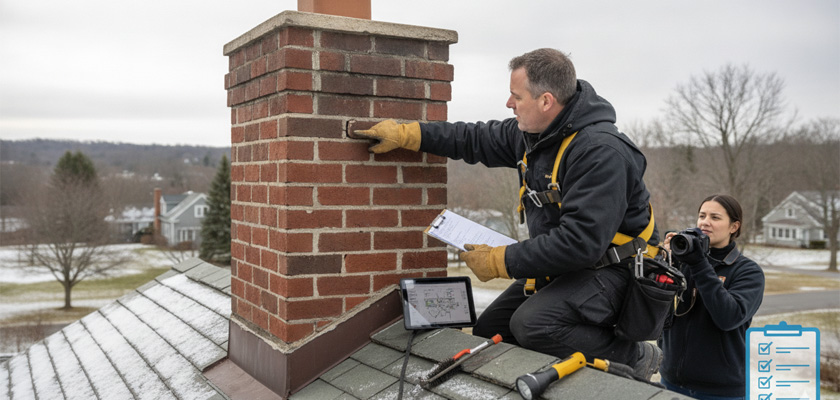
A professional technician examines far more than any homeowner can see from ground level. Below is a practical chimney inspection checklist used by industry professionals. Many homeowners find it helpful to keep a printable chimney inspection checklist form on hand so they can track findings year over year and compare notes between inspections.
Exterior Chimney Inspection
- Check brick and masonry condition
- Inspect mortar joints for cracks
- Look for leaning or shifting in the chimney structure
- Examine flashing around the roofline
- Inspect the chimney crown for deterioration
- Check the chimney cap
- Identify water penetration issues
- Look for vegetation growth or staining
Interior Fireplace Inspection Checklist
This part of the fireplace inspection checklist often reveals problems homeowners miss entirely:
- Inspect the firebox condition
- Check fireplace walls for cracks
- Test damper operation
- Look for soot accumulation
- Identify excessive creosote buildup
- Inspect the smoke chamber
- Check for unusual odors
- Verify proper drafting performance
Flue System Inspection
- Inspect the flue liner
- Identify cracks or gaps
- Check for obstructions
- Look for nesting materials
- Evaluate creosote accumulation
- Verify proper ventilation
- Confirm flue sizing compatibility
Safety Inspection Checklist
A thorough chimney safety inspection CT homeowners schedule before winter can uncover hazards long before they become emergencies:
- Check carbon monoxide risks
- Assess chimney fire hazards
- Verify combustible clearances
- Inspect nearby framing exposure
- Evaluate structural stability
- Review the quality of any previous repairs
Understanding Chimney Inspection Levels
Not all inspections are the same. Professional chimney inspections generally fall into three categories.
Level 1 Chimney Inspection Checklist
A Level 1 inspection is the most common annual service. A typical level 1 chimney inspection checklist covers:
- Visual inspection of all readily accessible areas
- Basic assessment of fireplace and chimney condition
- Evaluation of venting performance
- Review of creosote accumulation
It’s the right choice when no major changes have occurred, the system is operating normally, and you’re simply keeping up with annual maintenance.
Level 2 Chimney Inspection Checklist
A Level 2 inspection goes deeper. A level 2 chimney inspection checklist often adds:
- Video camera inspection of the flue
- Examination of concealed areas
- A review after storms or suspected damage
- Evaluation following a property sale
It’s recommended when buying or selling a home, after a chimney fire, following severe weather, or any time you’re experiencing performance issues. Because specialized equipment is involved, the level 2 chimney inspection cost is typically higher than a standard visual inspection.
Gas Fireplace Inspection Checklist
Many homeowners assume gas fireplaces need little attention. In reality, an annual check remains important. A professional gas fireplace inspection checklist may include:
- Burner inspection
- Pilot light evaluation
- Vent system examination
- Gas connection testing
- Carbon monoxide assessment
- Glass panel inspection
- Safety control verification
Gas fireplaces can develop hidden venting problems that quietly affect both efficiency and safety.
How Much Does a Chimney Inspection Cost?
After the checklist itself, this is the question we field most: how much does a chimney inspection cost? The honest answer is that it depends on your system — but understanding the variables makes the cost of a chimney inspection much easier to anticipate.
Pricing is shaped by:
- Inspection level — a Level 2 inspection costs more than a Level 1
- Chimney height and accessibility
- Fireplace type (masonry, prefabricated, wood, or gas)
- Camera technology — a chimney camera inspection cost reflects the specialized equipment used to view concealed areas
- Cleaning needs — the chimney inspection and cleaning cost rises when significant creosote removal is required
To put rough ranges in perspective, here’s how typical services tend to compare. These figures are illustrative only — every quote should reflect your specific home.
| Service | Typical Range (illustrative) |
| Level 1 chimney inspection cost | $100 – $250 |
| Level 2 chimney inspection cost | $250 – $600 |
| Chimney sweep and inspection cost (combined) | $200 – $450 |
| Chimney inspection and cleaning cost | $250 – $500 |
A few points worth keeping in mind as you compare quotes:
- Bundling saves money. Many homeowners book a sweep and inspection together. The average cost for chimney sweep and inspection is usually lower than booking each visit separately, since the technician is already on site.
- Annual upkeep is the cheapest path. An annual chimney inspection cost is almost always a fraction of what major repairs run. Spread over the years, regular inspections are the least expensive form of chimney maintenance there is.
- Searching “chimney inspection cost near me” is a start, not the whole story. Local pricing varies across Connecticut by chimney type, accessibility, and whether cleaning is included — so the cheapest listing isn’t always the best value.
Rather than focusing on price alone, weigh it against what an inspection prevents: a single overlooked liner crack or chimney fire can cost many times more than a routine visit.
Why Homeowners Should Never Skip Annual Inspections
Some homeowners assume an inspection is only worthwhile once a problem appears. Unfortunately, the most dangerous chimney issues tend to develop silently. Professional inspections regularly uncover:
- Hidden liner cracks
- Water damage
- Structural deterioration
- Drafting issues
- Dangerous creosote accumulation
- Animal blockages
These rarely become visible until significant — and costly — damage has already set in. An annual inspection is the simplest, most affordable way to stay ahead of all of them.
DIY Chimney Checks vs. Professional Inspections
Homeowners can safely perform a few basic checks from the ground: looking for exterior cracks, eyeing the chimney cap, noticing unusual fireplace odors, and watching for smoke backing up into the room.
But the most critical problems occur inside the flue system, where they can’t be safely seen without professional tools and training. A certified inspection delivers a far more complete picture than any DIY checklist alone.
Why Connecticut Homeowners Trust GMT Chimney Sweep Services
At GMT Chimney Sweep Services, we understand the toll Connecticut weather takes on chimney systems. Our team performs thorough inspections built to surface both the obvious and the hidden safety concerns — well before winter sets in.
Homeowners across Connecticut rely on us for:
- Detailed inspection reports
- Honest, no-pressure recommendations
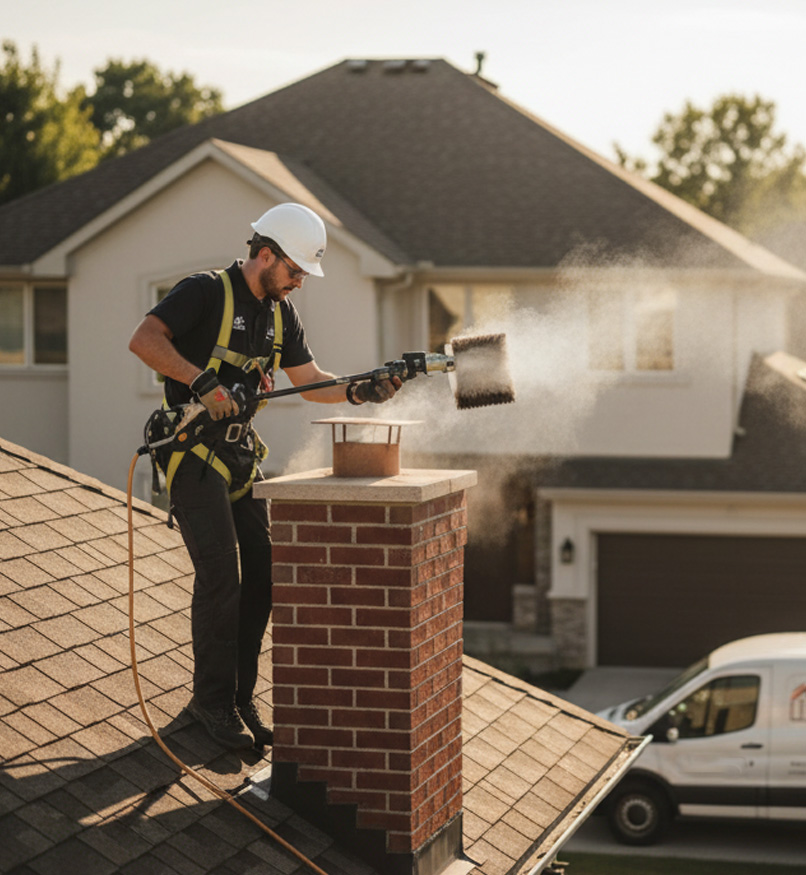
- Professional chimney cleaning
- Advanced camera inspections
- Experienced, certified technicians
- Genuinely safety-first service
Our goal is simple: help Connecticut families enjoy a warm, safe, and worry-free heating season.
Final Thoughts
A fireplace should bring comfort — not uncertainty. Following a proper chimney inspection checklist Connecticut homeowners can rely on is one of the smartest steps you can take before winter arrives.
Whether you’re focused on safety, weighing inspection costs, or simply getting your home ready for the cold, an annual chimney inspection protects your property, improves fireplace performance, and reduces the risk of expensive repairs.
The best time to inspect your chimney is before you need it.
Ready for winter? Schedule your chimney inspection with GMT Chimney Sweep Services today.
Frequently Asked Questions
Can a chimney fail an inspection even if my fireplace works perfectly?
Yes. A fireplace can run normally while hidden issues — liner cracks, water damage, or excessive creosote — go undetected. An inspection evaluates safety, not just performance.
How can I tell if my chimney has damage from last winter?
Watch for loose bricks, cracked mortar, white staining, rust on fireplace components, or water spots near the chimney. That said, many winter-related issues can only be confirmed through a professional inspection.
How much does it cost to inspect a chimney in Connecticut?
It depends on the inspection level, your chimney’s height and accessibility, and whether cleaning is included. A Level 1 visual inspection sits at the lower end, while a Level 2 camera inspection costs more. For an accurate figure, request a quote based on your specific system rather than relying on a generic “how much does chimney inspection cost” estimate online.
What’s the difference between Level 1 and Level 2 inspection pricing?
A level 1 chimney inspection cost covers a standard visual assessment of accessible areas. A Level 2 inspection adds camera work and examination of concealed areas, so it costs more. If you’re buying or selling a home, or you’ve had a chimney fire, the added cost of a Level 2 is well worth it.
Is it cheaper to combine cleaning and inspection?
Usually, yes. Booking a sweep and inspection in one visit typically lowers the cost of chimney cleaning and inspection compared with scheduling them separately, since you’re only paying for one trip. Many Connecticut homeowners bundle both before winter.
How do I find a reliable chimney inspection “near me”?
Searching “chimney inspection cost near me” is a reasonable starting point, but compare credentials and reviews — not just price. Look for certified technicians, detailed written reports, and transparent pricing. GMT Chimney Sweep Services proudly serves homeowners throughout Connecticut.
Can a chimney inspection reveal why my heating bills are higher?
Sometimes. Poor drafting, a damaged damper, or ventilation problems can let heated air escape and drag down your home’s overall energy efficiency — issues a thorough inspection can pinpoint.
Why do chimney problems often appear right before winter?
Because most of the damage happens in the off-season. Months of rain, humidity, freeze-thaw cycles, and inactivity create issues that only surface once you start using the fireplace again.
What’s the most commonly overlooked chimney issue?
Water intrusion. Homeowners tend to worry about soot and creosote, but moisture is often the leading cause of long-term deterioration and costly repairs.
Can I schedule a chimney inspection and cleaning on the same visit?
In most cases, yes — and it’s the most efficient option. Combining both before winter ensures your fireplace system is clean, safe, and ready for regular use.